




Can NAD+ 100mg help with depression?
 Dec 29, 2025|
 In recent years, there has been a growing interest in the potential health benefits of nicotinamide adenine dinucleotide (NAD+). As a supplier of NAD+ 100mg products, I've encountered numerous inquiries about its effectiveness in treating depression. This blog post aims to explore the scientific basis behind the claim that NAD+ 100mg can help with depression and provide a balanced perspective on this topic.
Understanding NAD+
NAD+ is a coenzyme found in every cell of our body. It plays a crucial role in various biological processes, including energy metabolism, DNA repair, and cell signaling. As we age, the levels of NAD+ in our body naturally decline, which has been linked to a range of age - related diseases and health issues.
The Link Between NAD+ and Depression
Depression is a complex mental health disorder with multiple contributing factors, including genetic, environmental, and biochemical factors. One of the key biochemical aspects related to depression is the disruption of normal brain function, particularly in areas associated with mood regulation.
-
Energy Metabolism in the Brain
The brain is an energy - hungry organ, and proper energy metabolism is essential for its normal functioning. NAD+ is a vital component in the process of generating adenosine triphosphate (ATP), the main energy currency of the cell. When NAD+ levels are low, the brain may not receive enough energy, which can lead to impaired neuronal function and mood disturbances. Some studies have suggested that increasing NAD+ levels could potentially improve energy metabolism in the brain, thereby alleviating symptoms of depression. -
DNA Repair and Oxidative Stress
Oxidative stress is a state in which there is an imbalance between the production of reactive oxygen species (ROS) and the body's ability to neutralize them. High levels of oxidative stress can damage DNA, proteins, and lipids in the brain. NAD+ is involved in DNA repair mechanisms, and it also helps to activate enzymes that combat oxidative stress. In depression, there is often an increase in oxidative stress. By boosting NAD+ levels, it may be possible to enhance the brain's ability to repair DNA damage and reduce oxidative stress, which could have a positive impact on mood. -
Neuroprotection and Neurogenesis
NAD+ has been shown to have neuroprotective effects. It can help protect neurons from damage and death, which is particularly important in the context of depression, as there is evidence of neuronal loss and reduced neurogenesis (the formation of new neurons) in the brains of depressed individuals. Some pre - clinical studies have indicated that increasing NAD+ levels can promote neurogenesis in the hippocampus, a brain region strongly associated with mood regulation.
Scientific Evidence
While the theoretical basis for using NAD+ to treat depression is promising, the scientific evidence is still limited. Most of the research on NAD+ and depression has been conducted in animal models. For example, some animal studies have shown that supplementing with NAD+ precursors can improve depressive - like behaviors. However, human studies are still in the early stages.
A few small - scale clinical trials have been carried out to investigate the effects of NAD+ supplementation on mood. Some participants in these trials reported improvements in mood and a reduction in depressive symptoms. But these studies are often limited by their small sample size, short duration, and lack of long - term follow - up.
Our NAD+ 100mg Product
As a supplier of NAD+ 100mg products, we are committed to providing high - quality supplements. Our NAD+ 100mg is formulated using the latest scientific research and manufacturing techniques to ensure maximum bioavailability and efficacy.
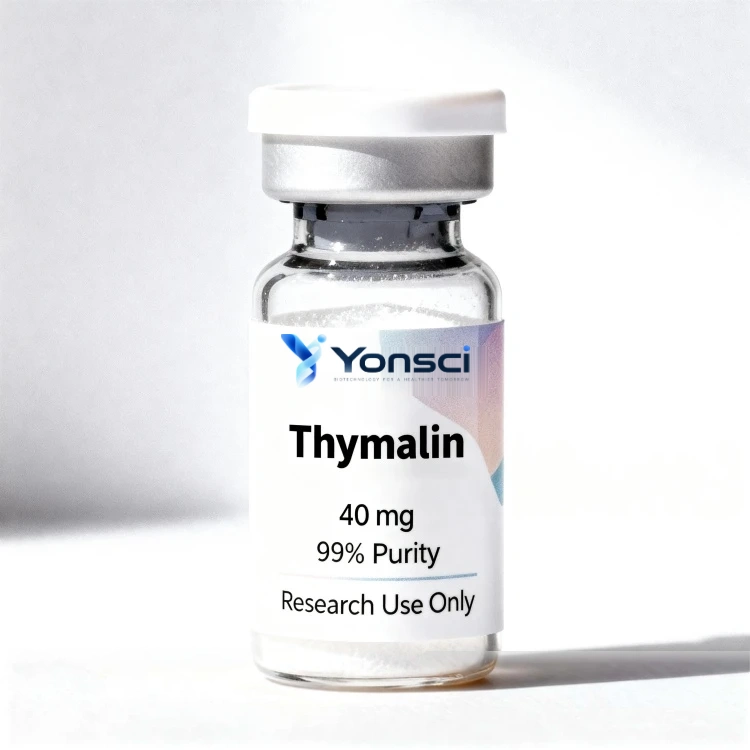
In addition to our NAD+ 100mg product, we also offer other related products that may have synergistic effects in promoting overall health and well - being. For example, PNC - 27 5mg, BPC - 157 10mg, and Thymalin 40mg are all anti - aging peptides that have been studied for their potential health benefits, including effects on mood and cognitive function.
Considerations and Precautions
It's important to note that NAD+ supplementation is not a substitute for professional medical treatment for depression. If you are experiencing symptoms of depression, it is crucial to consult a qualified healthcare provider. They can provide a proper diagnosis and recommend appropriate treatment options, which may include therapy, medication, or a combination of both.
Also, while NAD+ is generally considered safe, there may be potential side effects, especially at high doses. Some people may experience mild gastrointestinal discomfort, nausea, or diarrhea when taking NAD+ supplements. It's always advisable to start with a low dose and gradually increase it under the guidance of a healthcare professional.
Conclusion
The idea that NAD+ 100mg can help with depression is an exciting area of research. While there is some theoretical and pre - clinical evidence to support this claim, more large - scale, well - designed human studies are needed to confirm its effectiveness. As a supplier of NAD+ 100mg products, we believe in the potential of NAD+ to improve health and well - being. However, we also emphasize the importance of responsible use and consultation with healthcare professionals.
If you are interested in learning more about our NAD+ 100mg product or other related products, we invite you to contact us for a procurement discussion. We are always happy to answer your questions and provide you with the information you need to make an informed decision.
References
- Imai, S., & Guarente, L. (2014). NAD+ and sirtuins in aging and disease. Cell, 157(1), 29 - 44.
- Sinclair, D. A., & Guarente, L. (2014). Extending healthy life span - from yeast to humans. Cell, 159(1), 15 - 26.
- Rizzo, G., & Trinchero, R. (2019). NAD+ metabolism and its roles in cellular processes during ageing. Nature Reviews Molecular Cell Biology, 20(1), 19 - 34.
- Sanz, A., Navas, P., & Gomez - Pinilla, F. (2016). The role of NAD+ in aging and neurodegeneration. Trends in Molecular Medicine, 22(8), 669 - 684.

