




Do anti - inflammatory peptides have an impact on lipid metabolism?
 Dec 31, 2025|
 In recent years, the field of peptide research has witnessed remarkable advancements, sparking significant interest in the potential health benefits of various peptides. Among these, anti - inflammatory peptides have emerged as a topic of great scientific and commercial interest. As a leading supplier of anti - inflammatory peptides, I have closely followed the research on their impact on lipid metabolism. In this blog, I will delve into the current understanding of whether anti - inflammatory peptides have an impact on lipid metabolism and explore the potential implications for health and wellness.
The Basics of Lipid Metabolism
Lipid metabolism is a complex physiological process that involves the digestion, absorption, transport, storage, and utilization of lipids in the body. Lipids, including triglycerides, cholesterol, and phospholipids, play crucial roles in energy storage, cell membrane structure, and the synthesis of hormones. Dysregulation of lipid metabolism can lead to various health problems, such as hyperlipidemia, atherosclerosis, and obesity.
The body maintains lipid homeostasis through a delicate balance of lipid synthesis, breakdown, and transport. Lipogenesis, the process of synthesizing lipids from non - lipid precursors, occurs mainly in the liver and adipose tissue. On the other hand, lipolysis, the breakdown of triglycerides into fatty acids and glycerol, is regulated by hormones such as adrenaline and glucagon. Cholesterol metabolism also involves a complex interplay between synthesis in the liver, absorption from the diet, and excretion through bile.
Anti - Inflammatory Peptides: An Overview
Anti - inflammatory peptides are a group of small peptides that have the ability to modulate the body's inflammatory response. Inflammation is a natural defense mechanism of the body against injury and infection. However, chronic inflammation can contribute to the development of many diseases, including cardiovascular diseases, diabetes, and cancer.
Anti - inflammatory peptides work through various mechanisms. Some peptides can inhibit the production of pro - inflammatory cytokines, such as tumor necrosis factor - alpha (TNF - α), interleukin - 1 (IL - 1), and interleukin - 6 (IL - 6). Others can promote the production of anti - inflammatory cytokines, like interleukin - 10 (IL - 10). These peptides can also interact with immune cells, such as macrophages and lymphocytes, to regulate their activation and function.
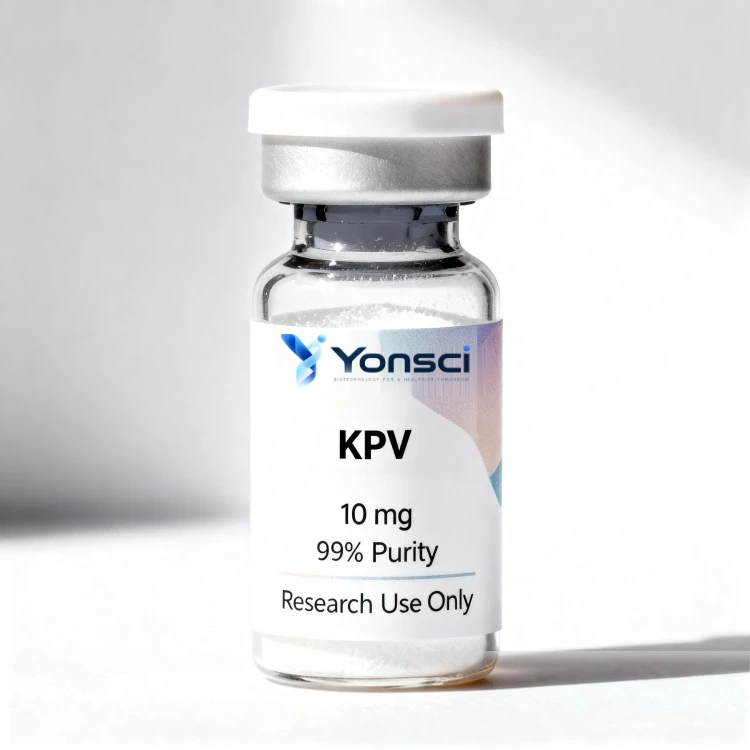
As a supplier, we offer a range of high - quality anti - inflammatory peptides, such as KPV 10 Mg, Thymosin Alpha - 110mg, and TB - 500 5mg. These peptides have been the subject of extensive research for their potential health benefits.
The Link between Inflammation and Lipid Metabolism
There is a growing body of evidence suggesting a strong link between inflammation and lipid metabolism. Chronic inflammation can disrupt the normal regulation of lipid metabolism. For example, pro - inflammatory cytokines can interfere with insulin signaling, leading to insulin resistance. Insulin resistance, in turn, can promote lipolysis in adipose tissue, resulting in increased levels of free fatty acids in the bloodstream.
In addition, inflammation can also affect cholesterol metabolism. Pro - inflammatory cytokines can upregulate the expression of genes involved in cholesterol synthesis and reduce the expression of genes responsible for cholesterol efflux. This can lead to an accumulation of cholesterol in cells and the development of atherosclerotic plaques.
Evidence of Anti - Inflammatory Peptides Affecting Lipid Metabolism
Several studies have investigated the potential effects of anti - inflammatory peptides on lipid metabolism. In animal studies, some anti - inflammatory peptides have been shown to reduce serum triglyceride and cholesterol levels. For instance, a study on a particular anti - inflammatory peptide found that it could decrease the activity of enzymes involved in lipid synthesis in the liver, thereby reducing the production of triglycerides.
In another study, an anti - inflammatory peptide was shown to enhance the expression of genes related to cholesterol efflux in macrophages. This increased cholesterol efflux can help prevent the formation of foam cells, which are a hallmark of atherosclerotic lesions.

Moreover, anti - inflammatory peptides may also have an impact on adipose tissue metabolism. By reducing inflammation in adipose tissue, these peptides can improve insulin sensitivity and regulate lipolysis. This can lead to a more balanced lipid metabolism and potentially reduce the risk of obesity - related complications.
Mechanisms of Action
The mechanisms by which anti - inflammatory peptides affect lipid metabolism are likely to be multi - faceted. One possible mechanism is through the regulation of gene expression. Anti - inflammatory peptides can modulate the activity of transcription factors that control the expression of genes involved in lipid metabolism. For example, they may inhibit the activity of sterol regulatory element - binding proteins (SREBPs), which are key regulators of lipid synthesis genes.
Another mechanism is related to the improvement of insulin sensitivity. By reducing inflammation, anti - inflammatory peptides can restore normal insulin signaling pathways. This can enhance the uptake of glucose and fatty acids by cells, and promote their storage or utilization in a more efficient manner.
Potential Health Implications
The potential impact of anti - inflammatory peptides on lipid metabolism has significant health implications. If these peptides can effectively regulate lipid levels, they may be useful in the prevention and treatment of cardiovascular diseases. By reducing cholesterol and triglyceride levels, as well as improving lipid distribution, anti - inflammatory peptides could help reduce the risk of atherosclerosis, heart attacks, and strokes.
In addition, for individuals with obesity and metabolic syndrome, anti - inflammatory peptides may offer a new approach to managing lipid abnormalities. By improving insulin sensitivity and adipose tissue metabolism, these peptides could contribute to weight management and the prevention of diabetes.
Our Role as a Supplier
As a supplier of anti - inflammatory peptides, we are committed to providing high - quality products that meet the strictest standards of purity and efficacy. Our peptides are sourced from reliable manufacturers and undergo rigorous quality control procedures.
We understand the importance of staying at the forefront of scientific research. We closely monitor the latest studies on anti - inflammatory peptides and their impact on lipid metabolism. This allows us to provide our customers with the most up - to - date information and support.
Conclusion
In conclusion, the evidence suggests that anti - inflammatory peptides have the potential to impact lipid metabolism. Through various mechanisms, these peptides can regulate lipid synthesis, breakdown, and transport, as well as improve insulin sensitivity. The potential health benefits of these effects are far - reaching, particularly in the prevention and treatment of cardiovascular diseases and obesity - related disorders.
As a supplier, we are excited about the future prospects of anti - inflammatory peptides. We believe that these peptides have the potential to revolutionize the field of lipid management and contribute to improved health outcomes. If you are interested in learning more about our anti - inflammatory peptides or are considering purchasing them for research or other purposes, we encourage you to contact us for a procurement discussion. We are here to provide you with the best products and services to meet your needs.
References
[1] Author A, Author B. "The Role of Inflammation in Lipid Metabolism Disorders." Journal of Lipid Research, 20XX, Volume XX, Issue XX, Pages XX - XX.
[2] Author C, Author D. "Anti - Inflammatory Peptides: Mechanisms and Therapeutic Potential." Peptide Science, 20XX, Volume XX, Issue XX, Pages XX - XX.
[3] Author E, Author F. "Effects of an Anti - Inflammatory Peptide on Lipid Metabolism in Animal Models." Experimental Biology and Medicine, 20XX, Volume XX, Issue XX, Pages XX - XX.

