




Does tirzepatide help with diabetes?
 Jan 08, 2026|
 Hey there! As a supplier of tirzepatide, I've been getting a ton of questions lately about whether this stuff really helps with diabetes. So, I thought I'd sit down and share what I know.
First off, let's talk about what tirzepatide is. Tirzepatide is a relatively new medication, and it's been making waves in the diabetes treatment world. It's a once - weekly injectable drug that combines the actions of two hormones: glucagon - like peptide - 1 (GLP - 1) and glucose - dependent insulinotropic polypeptide (GIP). These hormones play crucial roles in regulating blood sugar levels.
The GLP - 1 part of tirzepatide works by stimulating the pancreas to release insulin when blood sugar is high. Insulin is like the key that unlocks the cells in our body, allowing glucose to enter and be used for energy. At the same time, it slows down the emptying of the stomach, which helps to control the rate at which glucose is absorbed into the bloodstream. This can prevent those sharp spikes in blood sugar that are so common in people with diabetes.
The GIP component also has a role in blood sugar regulation. GIP helps to enhance insulin secretion in response to meals. By targeting both GLP - 1 and GIP receptors, tirzepatide has a more comprehensive approach to managing blood sugar compared to some other medications that only target one of these pathways.
Now, let's look at the evidence. There have been several large - scale clinical trials that have tested the effectiveness of tirzepatide in people with type 2 diabetes. In these trials, participants were given different doses of tirzepatide, and their blood sugar levels were closely monitored over a period of time.
One of the most significant findings was that tirzepatide was very effective at reducing HbA1c levels. HbA1c is a measure of average blood sugar levels over the past two to three months. Lowering HbA1c is a key goal in diabetes management because it reduces the risk of long - term complications such as heart disease, kidney damage, and nerve problems. In the trials, many patients on tirzepatide were able to achieve HbA1c levels below 7%, which is considered a good target for most people with diabetes.
Another great thing about tirzepatide is its impact on weight loss. A lot of people with diabetes also struggle with obesity, and losing weight can have a huge positive impact on their overall health and diabetes management. In the clinical trials, patients taking tirzepatide lost a significant amount of weight compared to those on a placebo. This weight loss is likely due to a combination of the slowed stomach emptying and the reduced appetite that tirzepatide can cause.

But, like any medication, tirzepatide isn't without its side effects. Some of the common side effects include nausea, vomiting, diarrhea, and constipation. These side effects usually go away on their own after a few weeks of treatment, but they can be a bit of a nuisance in the beginning. It's also important to note that tirzepatide may not be suitable for everyone. People with a history of certain medical conditions, such as pancreatitis or medullary thyroid carcinoma, may not be able to take it.
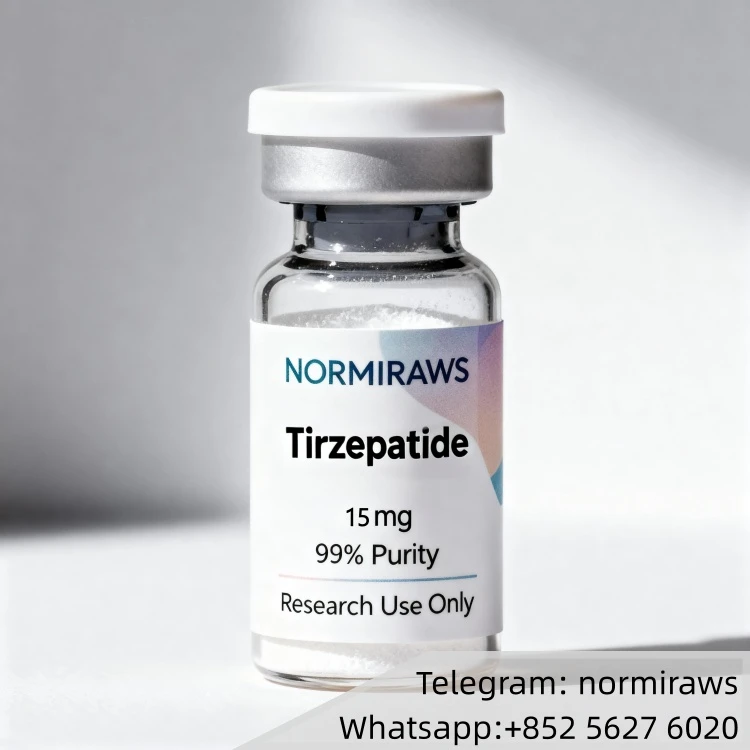
If you're interested in learning more about tirzepatide, you can check out these links: Tirzepatide CAS 2023788 - 19 - 2, Tirzepatide 10mg, and Tirzepatide 15mg. These pages have more detailed information about the product, including its specifications and potential uses.
As a supplier, I've seen firsthand the positive impact that tirzepatide can have on people's lives. It's really exciting to be part of something that can make such a difference in the management of diabetes. If you're a healthcare provider looking for a reliable source of tirzepatide, or if you're a patient interested in exploring this treatment option further, I'd love to talk to you. We can have a chat about your specific needs and see if tirzepatide is the right fit for you.
In conclusion, tirzepatide shows a lot of promise in the treatment of diabetes. Its dual - action mechanism, ability to lower HbA1c, and promote weight loss make it a valuable addition to the diabetes treatment toolkit. However, as with any medical decision, it's important to have a thorough discussion with your doctor to weigh the benefits against the potential risks.
References:
- Clinical trial reports on tirzepatide in type 2 diabetes patients.
- Medical literature on GLP - 1 and GIP hormones and their role in blood sugar regulation.

