




How does tirzepatide compare to Ozempic?
 Dec 16, 2025|
 In recent years, the medical community has witnessed a surge in interest regarding medications for weight management and diabetes treatment. Two drugs that have captured significant attention are Tirzepatide and Ozempic. As a Tirzepatide supplier, I am well - versed in the features of these two medications, and in this blog, I will conduct a comprehensive comparison between them.
Mechanism of Action
Ozempic, whose active ingredient is semaglutide, is a glucagon - like peptide - 1 (GLP - 1) receptor agonist. GLP - 1 is a hormone that is released in response to food intake. It stimulates insulin secretion, delays gastric emptying, and reduces food intake by acting on the appetite centers in the brain. By mimicking the action of GLP - 1, Ozempic helps to lower blood glucose levels and also promotes weight loss.
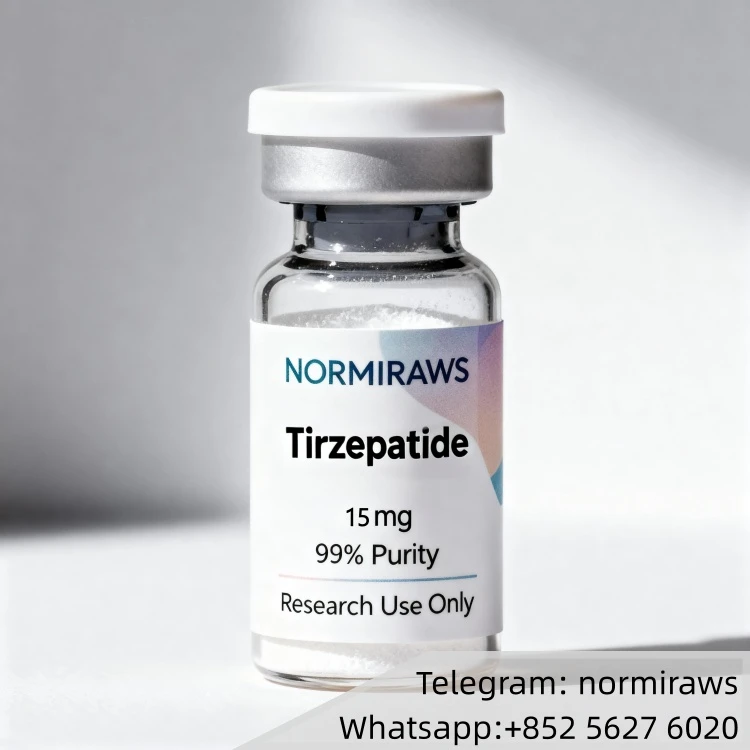
On the other hand, Tirzepatide is a dual glucose - dependent insulinotropic polypeptide (GIP) and GLP - 1 receptor agonist. This means that it not only activates the GLP - 1 receptors like Ozempic but also targets GIP receptors. GIP is another gut hormone that plays a role in glucose metabolism and energy homeostasis. By acting on both GIP and GLP - 1 receptors, Tirzepatide has a more comprehensive mechanism of action. It can increase insulin secretion in a glucose - dependent manner, suppress glucagon secretion, slow gastric emptying, and reduce food intake. The dual - targeting nature of Tirzepatide potentially allows for more effective glucose control and weight management.

Efficacy in Blood Glucose Control
Clinical trials have shown that both Tirzepatide and Ozempic are effective in reducing blood glucose levels in patients with type 2 diabetes. However, Tirzepatide seems to have an edge in this regard.
In a large - scale clinical trial, patients taking Tirzepatide experienced a greater reduction in their HbA1c levels compared to those on Ozempic. HbA1c is a measure of average blood glucose levels over the past two to three months. The ability of Tirzepatide to lower HbA1c more effectively is likely due to its dual - receptor agonism, which provides a more potent and comprehensive approach to glucose regulation.
Efficacy in Weight Loss
Weight loss is another area where these two drugs are often compared. Obesity is closely associated with type 2 diabetes, and many patients are looking for medications that can help them shed excess pounds while managing their blood glucose.
Ozempic has been shown to promote significant weight loss in clinical trials. Patients taking Ozempic typically experience a weight loss of around 10 - 15% of their body weight over a period of time.
Tirzepatide, however, has demonstrated even more impressive weight - loss results. In clinical studies, patients on Tirzepatide achieved an average weight loss of up to 20% of their body weight. The addition of GIP receptor agonism in Tirzepatide may contribute to its enhanced weight - loss efficacy. It is thought that GIP inhibition may reduce fat storage and increase energy expenditure, on top of the appetite - suppressing and gastric - emptying - delaying effects of GLP - 1 receptor activation. Therefore, for patients who are struggling with obesity and diabetes, Tirzepatide may offer a more powerful solution for weight management.
Safety and Side Effects
Both Tirzepatide and Ozempic share some common side effects, mainly related to the gastrointestinal system. These can include nausea, vomiting, diarrhea, and constipation. These side effects are usually mild to moderate and tend to improve over time as the body adjusts to the medication.
However, there may be some differences in the frequency and severity of side effects between the two drugs. Some studies have suggested that the side - effect profile of Tirzepatide may be slightly different. For example, due to its dual - receptor action, the initial gastrointestinal side effects of Tirzepatide might be more intense in some patients. But it is important to note that these are early comparisons, and more long - term data are needed to fully understand the safety profiles of both medications.
Dosage Forms and Administration
Ozempic is available as a once - weekly subcutaneous injection. This simplicity of dosing is convenient for patients, as it reduces the frequency of injections and improves compliance.
Tirzepatide is also administered via subcutaneous injection. It is currently available in different dosages, including Tirzepatide 10mg and Tirzepatide 15mg. The dosing regimen of Tirzepatide may vary depending on the patient's condition and response to treatment. Similar to Ozempic, Tirzepatide is typically administered once a week, which is also convenient for patients.
Cost Considerations
The cost of medications is an important factor for patients and healthcare providers. Currently, both Tirzepatide and Ozempic are relatively expensive drugs. The cost can vary depending on factors such as insurance coverage and the region.
However, as Tirzepatide is a newer drug, it may not be as widely covered by insurance plans as Ozempic. This can make it more costly for some patients out - of - pocket. But as the market evolves and more competition enters the space, the cost of Tirzepatide may become more competitive.
Availability and Regulatory Status
Ozempic has been on the market for a longer time and has a more established regulatory status in many countries. It is widely available in pharmacies and is a well - recognized treatment option for type 2 diabetes and weight management.
Tirzepatide is a relatively new drug. While it has received approval from regulatory authorities in several countries for the treatment of type 2 diabetes, its availability may be more limited in some regions. As a Tirzepatide supplier, I am closely monitoring the regulatory developments and working to ensure a stable supply of Tirzepatide CAS 2023788 - 19 - 2 to meet the growing demand.
Conclusion
In conclusion, both Tirzepatide and Ozempic are important medications in the treatment of type 2 diabetes and weight management. Ozempic is a well - established GLP - 1 receptor agonist with proven efficacy and safety. Tirzepatide, on the other hand, offers a more innovative approach with its dual - receptor agonism, which has shown greater efficacy in blood glucose control and weight loss in clinical trials.
However, the choice between the two drugs depends on various factors such as the patient's individual condition, affordability, and the availability of the medication. Healthcare providers need to carefully assess each patient's needs and preferences when prescribing these drugs.
As a Tirzepatide supplier, I am committed to providing high - quality Tirzepatide products. If you are interested in purchasing Tirzepatide for research or other legitimate purposes, I encourage you to contact me to discuss the details of procurement. I am here to answer any questions you may have and provide you with the best possible service.
References
- Trials of Tirzepatide in Uncontrolled Type 2 Diabetes. N Engl J Med. 2021.
- Semaglutide and Cardiovascular and Renal Outcomes in Type 2 Diabetes. N Engl J Med. 2020.
- Efficacy and Safety of Tirzepatide in Obesity or Overweight. N Engl J Med. 2022.

