




Is NAD+ 100mg approved by regulatory authorities?
 Jun 29, 2026|
 Hey there! As a supplier of NAD+ 100mg, I often get asked whether this product is approved by regulatory authorities. So, I thought I'd take some time to dig into this topic and share what I've found out.
First off, let's talk a bit about NAD+. Nicotinamide adenine dinucleotide, or NAD+ for short, is a coenzyme found in all living cells. It plays a crucial role in many biological processes, including energy metabolism, DNA repair, and cell signaling. As we age, our levels of NAD+ naturally decline, and this has been linked to a number of age - related diseases and conditions. That's why there's been a lot of interest in NAD+ supplements as a way to boost levels and potentially improve health and longevity.
Now, when it comes to regulatory approval, things can get a bit tricky. Different countries and regions have different regulations regarding dietary supplements and pharmaceutical products.
In the United States, the Food and Drug Administration (FDA) has a classification system for different types of products. Dietary supplements like NAD+ 100mg fall under a different set of rules compared to drugs. The FDA doesn't "approve" dietary supplements in the same way it approves drugs. Instead, dietary supplement manufacturers are responsible for ensuring that their products are safe and that any claims they make are truthful and not misleading.
For NAD+ supplements, as long as the product is labeled correctly and doesn't make any unsubstantiated health claims, it can be sold in the US as a dietary supplement. However, it's important to note that the FDA can take action against companies that make false or unproven claims about their products.
In the European Union, the situation is a bit more complex. The European Food Safety Authority (EFSA) evaluates the safety and efficacy of food additives and novel foods. NAD+ may fall into the category of a novel food, which means it needs to go through a specific authorization process. If a company can prove that NAD+ is safe and there's sufficient scientific evidence to support its use, it may be approved for sale in the EU.
Other countries also have their own regulatory frameworks. Some may have more lenient regulations for dietary supplements, while others may be more strict.
So, to answer the question "Is NAD+ 100mg approved by regulatory authorities?" It depends on where you are. In countries where it's considered a dietary supplement, it doesn't need the same level of approval as a drug. But that doesn't mean it's not subject to any regulation.
As a supplier, I take regulatory compliance very seriously. We make sure that our NAD+ 100mg product meets all the relevant safety and quality standards in the markets where we operate. We also ensure that our labeling is accurate and that we don't make any claims that aren't backed by scientific evidence.
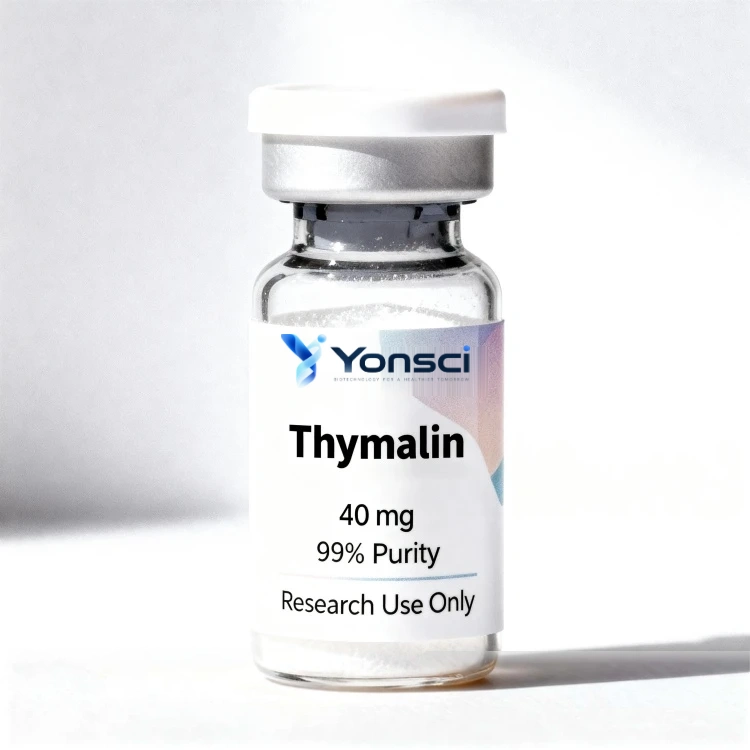
Now, I'd like to mention a few other products that we also offer. We have Thymalin 40mg, which is an anti - aging peptide. Thymalin has been studied for its potential to support the immune system and may have some anti - aging effects.
Another product is P21 5mg. P21 is also an interesting peptide that has been the subject of research in the field of anti - aging. It may play a role in regulating cell cycle and could potentially have benefits for overall health.
And we also have Argireline CAS 616204 - 22 - 9, which is well - known in the cosmetic industry for its anti - wrinkle properties.
If you're interested in any of these products, or if you have more questions about NAD+ 100mg or our other offerings, don't hesitate to reach out. We're always happy to have a chat and discuss how our products can meet your needs. Whether you're a researcher, a health professional, or just someone interested in improving your health, we're here to help.
In conclusion, while the approval status of NAD+ 100mg varies depending on the regulatory environment, we're committed to providing high - quality, compliant products. So, if you're looking for a reliable supplier of NAD+ 100mg or other anti - aging peptides, give us a shout.

References:
- "Understanding Dietary Supplement Regulations in the United States," FDA
- "European Food Safety Authority - Novel Foods Regulations," EFSA

