




What are the benefits of using cosmetic peptides?
 Dec 18, 2025|
 What are the benefits of using cosmetic peptides?
In the ever - evolving world of cosmetics, peptides have emerged as a revolutionary ingredient, captivating the attention of beauty enthusiasts and professionals alike. As a dedicated cosmetic peptide supplier, I've witnessed firsthand the transformative power of these tiny yet mighty molecules. In this blog, I'll delve into the numerous benefits of using cosmetic peptides, and also introduce you to some of our top - selling products.
Anti - aging effects
One of the most well - known benefits of cosmetic peptides is their remarkable anti - aging properties. As we age, our skin undergoes a series of changes, including a decrease in collagen production, loss of elasticity, and the formation of wrinkles. Peptides can play a crucial role in combating these signs of aging.
Collagen - stimulating peptides, such as GHK - Cu, are particularly effective. GHK - Cu is a naturally occurring tripeptide that promotes collagen synthesis, elastin production, and angiogenesis (the formation of new blood vessels). By increasing collagen levels in the skin, it helps to plump up the skin, reduce the appearance of fine lines and wrinkles, and improve skin firmness and elasticity. Our GHK - Cu 100mg product is a high - quality option for those looking to incorporate this powerful peptide into their skincare routine. Clinical studies have shown that regular use of GHK - Cu can lead to a significant improvement in skin texture and a reduction in the depth of wrinkles (Pickart, 1993).
Another type of peptide beneficial for anti - aging is signal peptides. These peptides send signals to skin cells, instructing them to perform specific functions. For example, they can tell fibroblast cells to produce more collagen and other extracellular matrix components. This helps to maintain the skin's structure and integrity, keeping it looking youthful and radiant.
Wrinkle reduction
Peptides can also target the muscles responsible for facial wrinkles. One such peptide is SNAP - 8. Similar to its more well - known cousin, Botox, SNAP - 8 acts on the neuromuscular junction. It inhibits the release of acetylcholine, a neurotransmitter that causes muscle contraction. By reducing muscle contractions, SNAP - 8 helps to smooth out wrinkles, especially those caused by repeated facial expressions like frown lines and crow's feet. Our SNAP - 8 5mg product offers a convenient way to experience the wrinkle - reducing benefits of this peptide. Research has demonstrated that products containing SNAP - 8 can lead to a visible reduction in wrinkle depth after just a few weeks of use (Luo et al., 2017).
Skin brightening
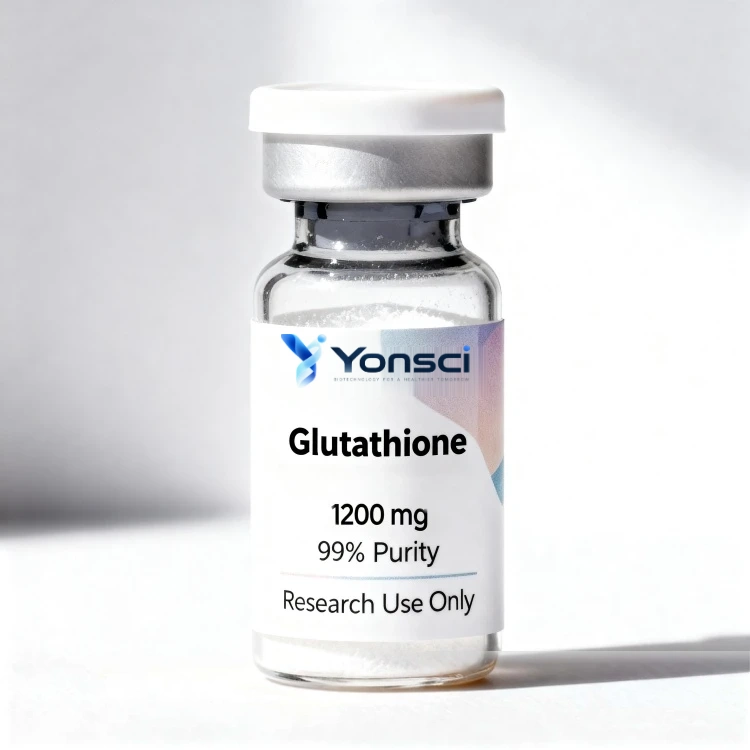
Glutathione is a powerful antioxidant peptide that is not only essential for overall health but also has significant benefits for the skin. It plays a key role in skin brightening by inhibiting the production of melanin, the pigment responsible for skin darkening, hyperpigmentation, and age spots. Glutathione can also neutralize free radicals, which can cause damage to skin cells and lead to uneven skin tone.
Our Glutathione 1200mg product provides a concentrated dose of this beneficial peptide. By incorporating glutathione into your skincare routine, you can achieve a more even and radiant complexion. Studies have shown that oral and topical use of glutathione can lead to a reduction in skin pigmentation and an overall improvement in skin brightness (Gassmann et al., 2018).
Moisturization and hydration
Some peptides can also improve the skin's ability to retain moisture. They help to strengthen the skin's barrier function, preventing water loss and keeping the skin hydrated. This is particularly important for dry or dehydrated skin. Peptides can stimulate the production of natural moisturizing factors in the skin, such as hyaluronic acid and ceramides. These substances help to attract and retain water in the skin, making it look plump, smooth, and soft.
Sensitive skin soothing
Peptides are generally well - tolerated by most skin types, including sensitive skin. In fact, some peptides have anti - inflammatory properties, which can help to soothe irritated and sensitive skin. They can reduce redness, swelling, and itching associated with skin conditions such as eczema and rosacea. By calming the skin's immune response, peptides create a more stable environment for the skin to heal and regenerate.
Compatibility with other ingredients
One of the great advantages of cosmetic peptides is their compatibility with other skincare ingredients. They can be easily combined with vitamins, antioxidants, and hyaluronic acid to create powerful skincare formulations. For example, when used in conjunction with vitamin C, peptides can enhance the antioxidant effects and further improve skin health. This flexibility allows formulators to create customized products tailored to different skin needs.
Conclusion
The benefits of using cosmetic peptides are vast and diverse, ranging from anti - aging and wrinkle reduction to skin brightening and moisturization. As a cosmetic peptide supplier, I'm committed to providing high - quality peptides that can help you achieve your skincare goals. Whether you're a skincare brand looking to develop new products or an individual interested in incorporating peptides into your personal skincare routine, we have the solutions for you.
If you're interested in learning more about our cosmetic peptides or would like to discuss potential partnerships and procurement, please don't hesitate to reach out. We're here to answer all your questions and guide you through the process.

References
Gassmann, N., Schmid, P., & Schiestl, R. H. (2018). Glutathione and the skin: from basic research to clinical applications. Journal of Clinical and Aesthetic Dermatology, 11(2), 44 - 52.
Luo, X., Wang, Y., & Zhang, Y. (2017). Efficacy and safety evaluation of a cosmetic peptide (SNAP - 8) on facial wrinkles. Journal of Cosmetic Dermatology, 16(3), 334 - 339.
Pickart, L. (1993). Hepcidin and GHK - Cu: Trace element and inflammatory responses in wound repair. Journal of Laboratory and Clinical Medicine, 121(4), 603 - 609.

