




What are the dietary restrictions when taking Semaglutide for weight loss?
 Nov 26, 2025|
 Semaglutide has emerged as a revolutionary treatment for weight loss, offering hope to many struggling with obesity. As a Semaglutide weight loss supplier, I've witnessed firsthand the transformative power of this medication. However, it's crucial to understand that when taking Semaglutide for weight loss, there are specific dietary restrictions that can enhance its effectiveness and minimize potential side - effects.

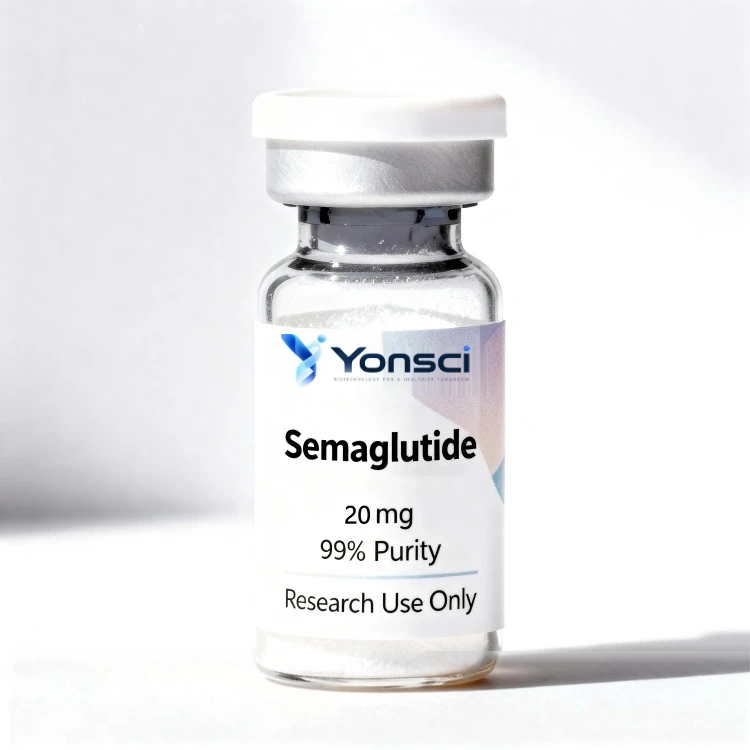
How Semaglutide Works for Weight Loss
Before delving into dietary restrictions, it's essential to understand how Semaglutide works. Semaglutide is a glucagon - like peptide - 1 (GLP - 1) receptor agonist. It mimics the action of the GLP - 1 hormone, which is released in the gut in response to food intake. GLP - 1 helps regulate blood sugar levels, slows down the emptying of the stomach, and promotes a feeling of fullness. By activating GLP - 1 receptors, Semaglutide reduces appetite, leading to decreased calorie intake and subsequent weight loss.
Dietary Restrictions When Taking Semaglutide
High - Fat Foods
One of the primary dietary restrictions when taking Semaglutide is to limit high - fat foods. High - fat foods are more difficult to digest, and since Semaglutide slows down gastric emptying, consuming large amounts of fatty foods can exacerbate feelings of nausea, bloating, and discomfort. Foods such as fried chicken, French fries, butter, and full - fat dairy products should be consumed sparingly. Instead, opt for lean sources of protein like chicken breast, turkey, fish, and low - fat dairy products. These lean proteins are easier to digest and can still provide the necessary nutrients to support your overall health during the weight - loss journey.
Large Portions
Semaglutide works by reducing appetite and increasing satiety. Eating large portions can be counterproductive as it may overwhelm the slowed - down digestive system and cause discomfort. It's advisable to practice portion control. Use smaller plates and bowls to visually trick your mind into thinking you're eating more. Start with smaller servings and gradually increase if you're still hungry. This approach not only helps in managing the digestive side - effects but also aligns with the goal of reducing calorie intake for weight loss.
Sugary Beverages and Snacks
Sugary beverages like soda, fruit juices with added sugars, and energy drinks are high in calories and can quickly derail your weight - loss efforts. Additionally, they can cause rapid spikes in blood sugar levels, which is not ideal when trying to manage weight. Similarly, sugary snacks such as cookies, cakes, and candies should be avoided. These snacks are often high in calories and low in nutritional value. Replace sugary beverages with water, unsweetened tea, or black coffee. For snacks, choose options like fresh fruits, raw vegetables, or nuts in moderation.
Alcohol
Alcohol can also have a negative impact when taking Semaglutide. Alcohol is high in calories and can interact with Semaglutide, potentially increasing the risk of side - effects such as dizziness and nausea. Moreover, alcohol can lower inhibitions, leading to poor food choices and overeating. It's best to limit alcohol consumption or avoid it altogether while taking Semaglutide. If you do choose to drink, do so in moderation and be aware of how your body reacts.
Recommended Dietary Choices
Fiber - Rich Foods
Fiber is an essential part of a healthy diet, especially when taking Semaglutide. Fiber - rich foods such as whole grains (oats, brown rice, quinoa), fruits, and vegetables can help keep you feeling full for longer periods. They also aid in digestion and can prevent constipation, which is a common side - effect of Semaglutide. Fruits like apples, berries, and pears, as well as vegetables like broccoli, spinach, and carrots, are excellent sources of fiber.
Protein - Rich Foods
As mentioned earlier, lean proteins are crucial. They not only support muscle maintenance during weight loss but also help in keeping you satisfied. In addition to chicken, turkey, and fish, plant - based proteins like beans, lentils, and tofu are great options. These plant - based proteins are also rich in fiber, providing a double benefit.
Hydration
Staying hydrated is vital. Water is essential for digestion, metabolism, and overall bodily functions. Aim to drink at least 8 glasses of water per day. You can also include herbal teas and other non - sugary beverages to increase your fluid intake.
Importance of Following Dietary Restrictions
Adhering to these dietary restrictions is not just about avoiding discomfort; it's also about maximizing the effectiveness of Semaglutide. By reducing calorie intake through proper diet and portion control, you can enhance the weight - loss benefits of the medication. Moreover, following a healthy diet can improve your overall health, reducing the risk of chronic diseases such as diabetes, heart disease, and high blood pressure.
Our Semaglutide Products
We offer a range of high - quality Semaglutide products to support your weight - loss goals. For instance, our Semaglutide 10mg is a popular choice among customers. It provides an effective dose to help reduce appetite and promote weight loss. Our Semaglutide CAS 910463 - 68 - 2 is also of the highest purity, ensuring its safety and efficacy. Additionally, we have the Cagrilintide 5mg + Semaglutide 5mg combination, which may offer enhanced weight - loss benefits.
Conclusion
Taking Semaglutide for weight loss can be a highly effective strategy, but it's essential to follow the appropriate dietary restrictions. By avoiding high - fat foods, large portions, sugary beverages and snacks, and alcohol, and instead focusing on fiber - rich foods, lean proteins, and proper hydration, you can enhance the effectiveness of Semaglutide and achieve your weight - loss goals more comfortably. If you're interested in our Semaglutide products, we encourage you to reach out to us for more information and to start your weight - loss journey.
References
- Davies, M., D'Alessio, D. A., Fradkin, J., Kernan, W. N., Mathieu, C., Mingrone, G.,... & Tsapas, A. (2018). Management of hyperglycemia in type 2 diabetes, 2018. A consensus report by the American Diabetes Association (ADA) and the European Association for the Study of Diabetes (EASD). Diabetes Care, 41(12), 2669 - 2701.
- Wilding, J. P. H., Batterham, R. L., Calanna, S., Cohen, R. D., Cummings, D. E., Finer, N.,... & le Roux, C. W. (2021). Once - weekly semaglutide in adults with overweight or obesity. The New England Journal of Medicine, 384(11), 989 - 1002.

