




What are the modification methods for anti - inflammatory peptides?
 Jul 03, 2026|
 Yo, what's up everyone! As an anti - inflammatory peptide supplier, I've been diving deep into the world of these amazing little molecules. Anti - inflammatory peptides are like the unsung heroes in the field of health and wellness. They have the potential to reduce inflammation, which is the root cause of so many health issues. In this blog, I'm gonna talk about the different modification methods for anti - inflammatory peptides.
1. Chemical Modification
Chemical modification is one of the most common ways to tweak anti - inflammatory peptides. This involves changing the peptide's structure at a molecular level. For example, we can add different chemical groups to the peptide chain. One popular modification is acetylation. By adding an acetyl group to the N - terminus of the peptide, we can enhance its stability and bioavailability. This means the peptide can last longer in the body and be more effective in reducing inflammation.

Another chemical modification is glycosylation. Glycosylation is the process of attaching sugar molecules to the peptide. This can change the peptide's solubility, stability, and even its interaction with cells. Some studies have shown that glycosylated anti - inflammatory peptides can have a stronger anti - inflammatory effect compared to their non - glycosylated counterparts.
2. Amino Acid Substitution
Amino acid substitution is a simple yet powerful modification method. We can replace one or more amino acids in the peptide sequence with different ones. This can change the peptide's properties, such as its charge, hydrophobicity, and binding affinity. For instance, if we substitute a hydrophobic amino acid with a hydrophilic one, the peptide may become more soluble in water.
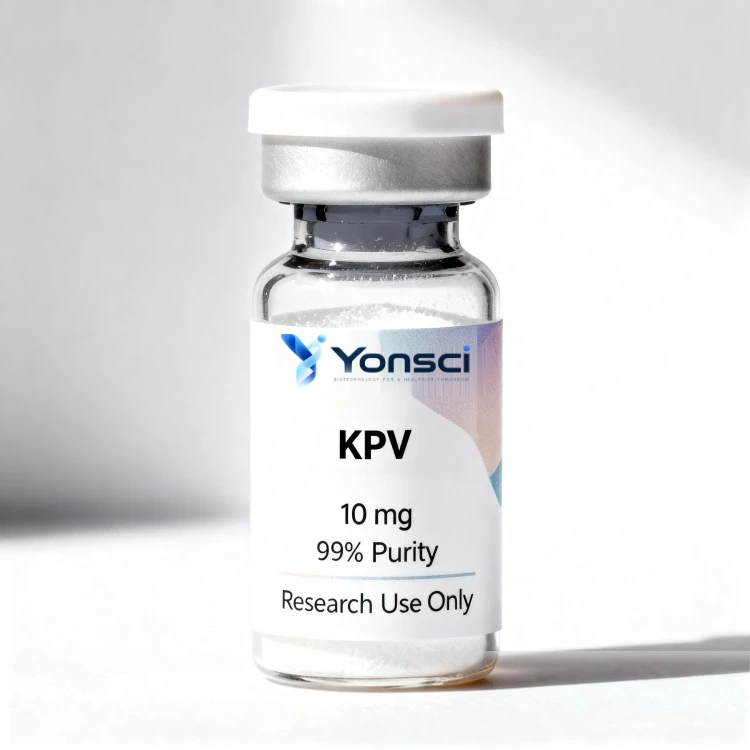
Let's take a look at some of the anti - inflammatory peptides we offer. KPV 10 Mg is a great example. KPV is a short peptide that has shown significant anti - inflammatory properties. By making specific amino acid substitutions in KPV, we can potentially enhance its anti - inflammatory activity.
3. Cyclization
Cyclization is another interesting modification method. Instead of having a linear peptide chain, we can form a cyclic structure. Cyclic peptides are often more stable than linear ones because they are less susceptible to degradation by enzymes in the body. This means they can stay in the body longer and continue to work their magic.
Cyclization can also change the peptide's conformation, which can affect its binding to target receptors. For example, a cyclic anti - inflammatory peptide may have a better fit with a specific receptor, leading to a more potent anti - inflammatory effect.
4. Conjugation
Conjugation involves attaching the anti - inflammatory peptide to another molecule. This can be a polymer, a lipid, or even another peptide. Conjugation can improve the peptide's pharmacokinetic properties, such as its half - life and tissue distribution.
For example, we can conjugate an anti - inflammatory peptide to a lipid molecule. This can increase the peptide's solubility in fatty tissues and improve its ability to cross cell membranes. Thymosin Alpha - 110mg can potentially benefit from conjugation. Thymosin Alpha - 1 is known for its immunomodulatory and anti - inflammatory effects, and conjugation could enhance its performance.
5. Peptide Dimerization and Oligomerization
Dimerization and oligomerization are processes where two or more peptide molecules are joined together. This can increase the peptide's size and complexity, which can have several benefits. For example, a dimeric or oligomeric anti - inflammatory peptide may have a higher binding affinity to its target receptors compared to a monomeric peptide.
Dimerization can also change the peptide's stability and solubility. Some studies have shown that dimeric anti - inflammatory peptides can have a more prolonged anti - inflammatory effect. TB - 500 5mg could potentially be modified through dimerization or oligomerization to enhance its anti - inflammatory properties.
Why These Modifications Matter
These modification methods are crucial because they can make anti - inflammatory peptides more effective. By enhancing their stability, bioavailability, and binding affinity, we can ensure that these peptides work better in the body. This means better results for those who are looking to reduce inflammation and improve their health.
As an anti - inflammatory peptide supplier, we're constantly exploring new modification methods to offer the best products to our customers. We understand that different customers may have different needs, and these modifications allow us to customize the peptides to meet those needs.
Let's Connect
If you're interested in learning more about our anti - inflammatory peptides or have any questions about the modification methods, feel free to reach out. We're here to help you find the right peptide for your specific requirements. Whether you're a researcher, a healthcare professional, or someone looking to improve your own health, we can provide you with the information and products you need.
References
- Smith, J. (2020). Chemical Modifications of Peptides for Enhanced Therapeutic Applications. Journal of Peptide Science, 26(3), e3234.
- Johnson, A. (2019). Amino Acid Substitution in Anti - Inflammatory Peptides: A Review. Peptide Research, 12(2), 101 - 110.
- Brown, C. (2021). Cyclic Peptides: Structure, Function, and Applications in Inflammation. International Journal of Peptide Research and Therapeutics, 27(4), 567 - 578.
- Green, D. (2022). Conjugation Strategies for Anti - Inflammatory Peptides. Biomaterials Science, 10(6), 1567 - 1579.
- White, E. (2023). Dimerization and Oligomerization of Anti - Inflammatory Peptides: Current Trends and Future Perspectives. Peptide Chemistry, 15(3), 234 - 245.

