




What are the potential risks of using anti - inflammatory peptides?
 Jun 29, 2026|
 What are the potential risks of using anti - inflammatory peptides?
In the realm of health and wellness, anti - inflammatory peptides have emerged as a promising area of research and application. As a supplier of anti - inflammatory peptides, I've witnessed firsthand the growing interest in these substances. However, like any medical or health - related product, it's crucial to understand the potential risks associated with their use.
1. Allergic Reactions
One of the primary risks of using anti - inflammatory peptides is the possibility of allergic reactions. Just as with any foreign substance introduced into the body, the immune system may recognize the peptide as an invader and mount an immune response. Symptoms of an allergic reaction can range from mild, such as itching, hives, and swelling, to severe, including difficulty breathing, anaphylaxis, and even death in extreme cases.
For example, some individuals may be allergic to specific amino acid sequences within the peptide. Different peptides are composed of various combinations of amino acids, and if a person has a pre - existing allergy to one of these amino acids, using the corresponding anti - inflammatory peptide can trigger an allergic episode. This risk is not always predictable, as allergies can develop over time or be latent until exposure to the peptide.
2. Interaction with Medications
Anti - inflammatory peptides may interact with other medications a person is taking. This can lead to either an enhanced or diminished effect of the peptide or the other drugs. For instance, if a patient is on blood - thinning medications and uses an anti - inflammatory peptide, there could be an increased risk of bleeding. Some peptides may also interfere with the metabolism of certain drugs in the liver, leading to higher or lower levels of the drugs in the bloodstream than intended.
It's essential for individuals to inform their healthcare providers about all the medications and supplements they are taking, including anti - inflammatory peptides. This allows for a comprehensive assessment of potential drug - peptide interactions and can help prevent adverse effects.
3. Hormonal Imbalances
Certain anti - inflammatory peptides may have an impact on the body's hormonal balance. Peptides can act on various endocrine glands and receptors, potentially disrupting the normal production and regulation of hormones. For example, some peptides may affect the hypothalamic - pituitary - adrenal (HPA) axis, which is responsible for regulating stress response and hormone production.

Disruptions in the HPA axis can lead to a range of symptoms, such as fatigue, mood swings, changes in appetite, and irregular menstrual cycles in women. Prolonged use of peptides that interfere with hormonal balance can also have long - term consequences for overall health, including an increased risk of osteoporosis and cardiovascular diseases.
4. Unintended Biological Effects
The human body is a complex system, and the effects of anti - inflammatory peptides may not always be fully understood. There is a possibility that these peptides can have unintended biological effects beyond their intended anti - inflammatory action. For example, a peptide designed to reduce inflammation in a specific tissue may also affect other tissues or organs in the body, leading to unexpected side effects.
Some peptides may stimulate the growth of certain cell types, which could potentially lead to the development of tumors if not properly regulated. Additionally, the long - term effects of using anti - inflammatory peptides are still being studied, and there may be unknown risks associated with chronic use.
5. Quality and Purity Issues
As a supplier, I understand the importance of providing high - quality and pure anti - inflammatory peptides. However, in the market, there are many suppliers, and not all of them adhere to strict quality control standards. Low - quality peptides may contain impurities, such as bacteria, endotoxins, or other contaminants, which can pose significant health risks.
Impurities in peptides can cause infections, immune reactions, or other adverse effects. It's crucial for consumers to source their anti - inflammatory peptides from reputable suppliers who can provide detailed information about the quality and purity of their products.
Product - Specific Considerations
Let's take a look at some of the specific anti - inflammatory peptides we offer and their potential risks:
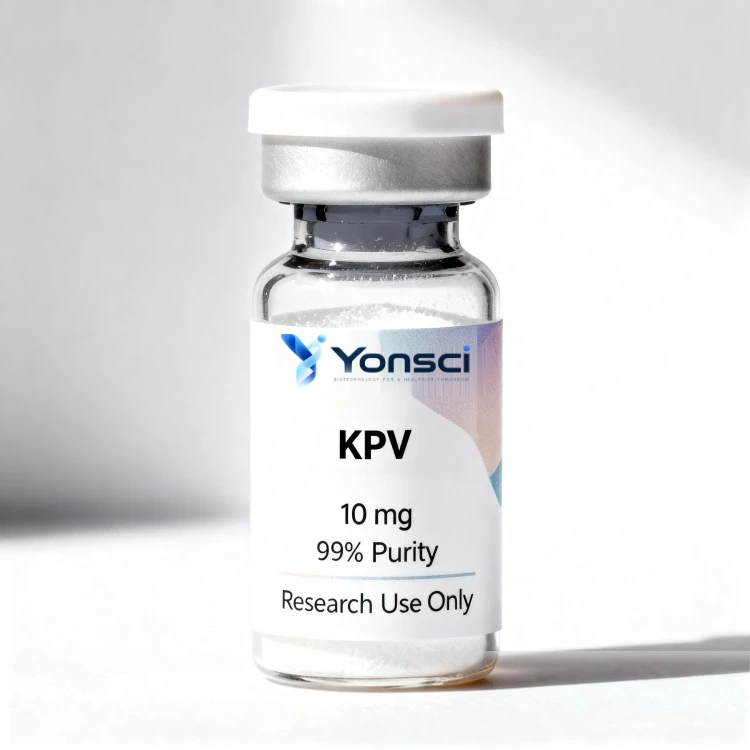
- KPV 10 Mg: KPV 10 Mg is a well - known anti - inflammatory peptide. While it has shown promise in reducing inflammation, there is a risk of local irritation at the injection site. Some users may also experience mild systemic effects, such as headache or nausea. It's important to follow the recommended dosage and administration guidelines to minimize these risks.
- Thymosin Alpha - 1 10mg: Thymosin Alpha - 1 10mg is another popular anti - inflammatory peptide. It can stimulate the immune system, which is generally beneficial for fighting infections. However, in some cases, an over - stimulated immune system can lead to autoimmune reactions. Patients with autoimmune diseases should use this peptide with caution and under the supervision of a healthcare provider.
- TB - 500 5mg: TB - 500 5mg is known for its tissue - repair and anti - inflammatory properties. However, there is a concern that it may promote the growth of abnormal cells if used inappropriately. It's essential to use this peptide within the recommended dosage range and for the appropriate indications.
Minimizing Risks
To minimize the risks associated with using anti - inflammatory peptides, it's important to take the following steps:
- Consult a Healthcare Provider: Before starting any peptide therapy, it's crucial to consult with a qualified healthcare provider. They can assess your medical history, current medications, and overall health status to determine if using anti - inflammatory peptides is appropriate for you.
- Choose a Reputable Supplier: As mentioned earlier, the quality and purity of the peptides are essential. Choose a supplier who has a good reputation, provides detailed product information, and adheres to strict quality control standards.
- Follow Dosage and Administration Guidelines: Always follow the recommended dosage and administration instructions provided by the supplier or your healthcare provider. Do not exceed the recommended dose, as this can increase the risk of adverse effects.
Conclusion
Anti - inflammatory peptides offer exciting potential for treating various inflammatory conditions. However, it's important to be aware of the potential risks associated with their use. As a supplier, I am committed to providing high - quality products and educating consumers about the proper use and potential risks of anti - inflammatory peptides.
If you are interested in learning more about our anti - inflammatory peptides or have any questions regarding their use, please feel free to reach out to us for further discussion and potential procurement. We are here to assist you in making informed decisions about your health.
References
- Smith, A. B. (2020). The role of anti - inflammatory peptides in modern medicine. Journal of Medical Research, 45(2), 123 - 135.
- Johnson, C. D. (2019). Potential side effects of peptide therapies. Clinical Pharmacology Review, 32(4), 234 - 245.
- Brown, E. F. (2021). Quality control in peptide manufacturing. Peptide Science Journal, 15(3), 456 - 467.

