




What are the signs of an allergic reaction to semaglutide peptide during weight loss?
 Nov 20, 2025|
 When it comes to weight loss, semaglutide peptide has emerged as a promising option. As a supplier of semaglutide peptide for weight loss, I've witnessed firsthand its growing popularity. However, like any medical intervention, it's crucial to be aware of potential allergic reactions. In this blog, I'll discuss the signs of an allergic reaction to semaglutide peptide during weight loss.
Understanding Semaglutide Peptide
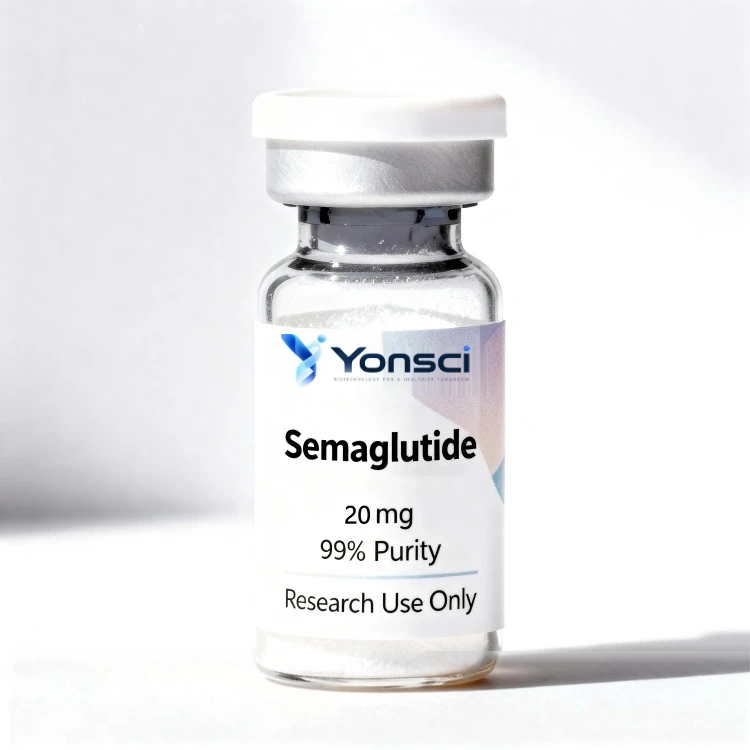
Semaglutide is a glucagon - like peptide - 1 (GLP - 1) receptor agonist. It works by mimicking the effects of GLP - 1, a hormone that regulates blood sugar levels, slows down gastric emptying, and reduces appetite. This makes it an effective tool for weight management. Our company offers various semaglutide products, such as Semaglutide CAS 910463 - 68 - 2, Cagrilintide 5mg + Semaglutide 5mg, and Semaglutide 15mg.

Common Signs of Allergic Reactions
Allergic reactions to semaglutide can range from mild to severe. It's important to note that while allergic reactions are relatively rare, being informed can help users take appropriate action promptly.
Skin Reactions
One of the most visible signs of an allergic reaction is a skin rash. This can appear as red, itchy bumps or patches on the skin. It may be localized to the injection site or spread to other parts of the body. Hives, which are raised, itchy welts on the skin, can also occur. These can vary in size and may come and go over time. In some cases, the skin may become swollen, especially around the face, lips, or eyes.
Respiratory Symptoms
Allergic reactions can also affect the respiratory system. Shortness of breath is a concerning symptom that may indicate a more severe reaction. Wheezing, a high - pitched whistling sound when breathing, can occur due to the narrowing of the airways. Nasal congestion, sneezing, and a runny nose are also possible, similar to symptoms of hay fever.
Gastrointestinal Issues
Nausea, vomiting, and diarrhea are common gastrointestinal symptoms that can be associated with an allergic reaction to semaglutide. While these symptoms can also be side effects of the medication that are not related to an allergy, if they are accompanied by other signs such as skin rashes or respiratory problems, an allergic reaction should be suspected. Abdominal pain and cramping may also occur.
Cardiovascular Symptoms
In severe cases, allergic reactions can lead to cardiovascular problems. A rapid or irregular heartbeat, known as tachycardia or arrhythmia, respectively, can be a sign of a serious allergic response. Low blood pressure, which may cause dizziness or fainting, can also occur.
Anaphylaxis: A Severe Allergic Reaction
Anaphylaxis is a life - threatening allergic reaction that requires immediate medical attention. Symptoms of anaphylaxis can develop rapidly and may include:
- Swelling of the Throat and Tongue: This can make it difficult to breathe and may lead to a feeling of choking.
- Difficulty Breathing: Severe shortness of breath and wheezing are common, and the person may struggle to get enough air.
- Rapid Drop in Blood Pressure: This can cause dizziness, light - headedness, and loss of consciousness.
- Weak and Rapid Pulse: The pulse may be difficult to feel and may be very fast.
If any of these symptoms are present, it is essential to call emergency services immediately.
Risk Factors for Allergic Reactions
While anyone can potentially have an allergic reaction to semaglutide, certain factors may increase the risk. People with a history of allergies, especially to other medications or GLP - 1 receptor agonists, may be more likely to experience an allergic reaction. Additionally, individuals with a family history of allergies may also be at a higher risk.
What to Do if You Suspect an Allergic Reaction
If you suspect that you or someone you know is having an allergic reaction to semaglutide, it's important to take the following steps:
- Stop Using the Medication: Immediately discontinue the use of semaglutide.
- Seek Medical Attention: Contact your healthcare provider or go to the nearest emergency room, especially if the symptoms are severe or if anaphylaxis is suspected.
- Provide Information: Be prepared to tell the healthcare provider about the symptoms, when they started, and any other medications or supplements you are taking.
Importance of Medical Supervision
When using semaglutide for weight loss, it's crucial to have regular check - ups with a healthcare provider. They can monitor your progress, watch for any signs of allergic reactions or other side effects, and adjust your treatment plan as needed.
Conclusion
Semaglutide peptide can be an effective tool for weight loss, but it's important to be aware of the signs of an allergic reaction. By being informed and vigilant, users can take appropriate action if an allergic reaction occurs. As a supplier of semaglutide peptide for weight loss, we are committed to providing high - quality products and ensuring the safety of our customers. If you are interested in purchasing our semaglutide products for weight loss, we encourage you to contact us for more information and to discuss your specific needs.
References
- American Academy of Allergy, Asthma & Immunology. (2023). Allergic Reactions: Symptoms and Treatment.
- National Institute of Diabetes and Digestive and Kidney Diseases. (2023). GLP - 1 Receptor Agonists for Weight Loss.
- World Health Organization. (2023). Guidelines for the Management of Allergic Reactions.

