




What are the signs of an overdose of growth hormone peptides?
 Jun 03, 2026|
 Growth hormone peptides (GHP) have gained significant popularity in recent years within the fitness, anti - aging, and medical research communities. These peptides are known for their ability to stimulate the production and release of growth hormone in the body. As a reputable growth hormone peptides supplier, I understand the importance of providing not only high - quality products but also accurate information about their proper use and potential risks. One of the critical aspects of using these peptides safely is recognizing the signs of an overdose.
Understanding Growth Hormone Peptides
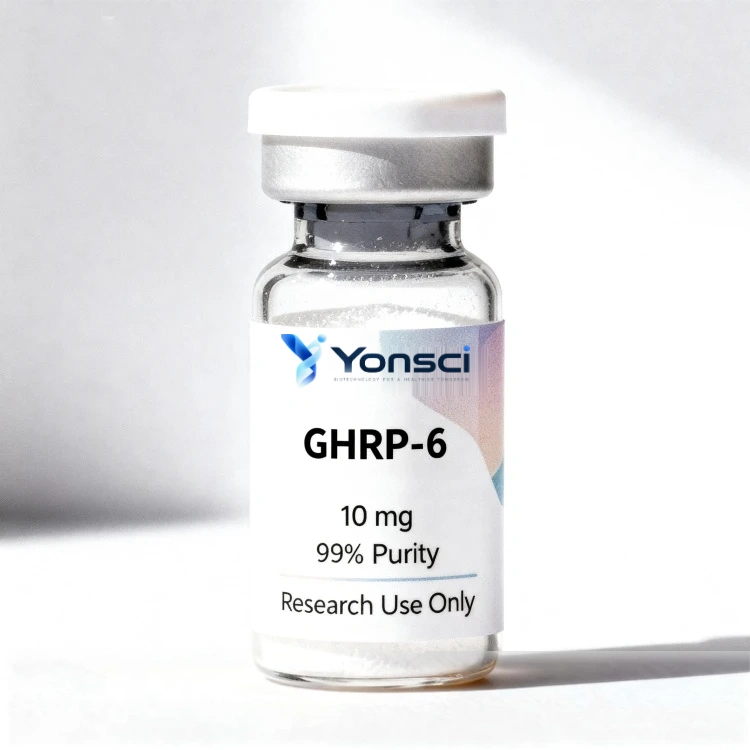
Before delving into the signs of an overdose, it's essential to have a basic understanding of what growth hormone peptides are. Growth hormone peptides are short chains of amino acids that mimic the action of hormones in the body. They work by stimulating the pituitary gland to secrete more growth hormone. Some of the well - known growth hormone peptides include CJC - 1295 No DAC, Ipamorelin, and GHRP - 6 Acetate. You can find more information about these products on our website: CJC-1295 No DAC 5mg, Ipamorelin 10mg, GHRP - 6 Acetate 10 Mg.
Why Overdosing Can Happen
There are several reasons why an individual might inadvertently overdose on growth hormone peptides. First, some users may misunderstand the recommended dosage guidelines. They might be eager to achieve faster results, such as increased muscle mass or decreased body fat, and thus take more than the advised amount. Second, there could be errors in measuring the peptides, especially if the person is not using proper measuring tools. Third, in some cases, individuals may not be aware of the cumulative effects of different peptides if they are using multiple types simultaneously.
Physical Signs of an Overdose
Swelling and Water Retention
One of the most common signs of a growth hormone peptide overdose is swelling, particularly in the hands, feet, and ankles. This is due to the fact that an excess of growth hormone can cause the body to retain water. The kidneys may not be able to process the increased volume of fluid efficiently, leading to fluid accumulation in the tissues. The swelling can be quite noticeable, and in some cases, it may make it difficult to wear rings or shoes that fit properly before the overdose.
Joint Pain
Over - stimulation of growth hormone production can lead to joint pain. The rapid increase in growth hormone levels can cause the bones and cartilage in the joints to grow and change at an abnormal rate. This can result in discomfort, stiffness, and pain in the joints, especially in the knees, hips, and shoulders. The pain may be mild at first but can become more severe over time if the overdose continues.
Muscle Weakness
Paradoxically, despite the fact that growth hormone peptides are often used to increase muscle mass, an overdose can lead to muscle weakness. Excessive growth hormone can disrupt the normal balance of muscle growth and repair. It may cause the muscles to become overworked and fatigued more easily, leading to a decrease in strength and endurance.
Metabolic Signs of an Overdose
High Blood Sugar Levels
Growth hormone has an impact on carbohydrate metabolism. An overdose of growth hormone peptides can cause the body's cells to become less sensitive to insulin, a hormone that regulates blood sugar levels. As a result, blood sugar levels can rise, which may lead to symptoms such as increased thirst, frequent urination, and fatigue. Prolonged high blood sugar levels can also increase the risk of developing diabetes.
Lipid Imbalance
Another metabolic consequence of a growth hormone peptide overdose is an imbalance in lipid levels. Growth hormone affects the breakdown and storage of fats in the body. An excess of growth hormone can lead to an increase in cholesterol and triglyceride levels. High levels of these lipids in the blood can contribute to the development of cardiovascular diseases, such as heart attacks and strokes.
Hormonal Signs of an Overdose
Disruption of the Hypothalamic - Pituitary - Gonadal Axis
The hypothalamic - pituitary - gonadal (HPG) axis is responsible for regulating reproductive hormones in both men and women. An overdose of growth hormone peptides can disrupt this axis. In men, it may lead to a decrease in testosterone production, resulting in symptoms such as decreased sex drive, erectile dysfunction, and infertility. In women, it can cause irregular menstrual cycles and hormonal imbalances.
Thyroid Hormone Imbalance
Growth hormone also interacts with the thyroid gland. An overdose of growth hormone peptides can interfere with the normal production and regulation of thyroid hormones. This can lead to either hypothyroidism (low thyroid function) or hyperthyroidism (high thyroid function). Symptoms of hypothyroidism include fatigue, weight gain, and cold intolerance, while hyperthyroidism can cause weight loss, rapid heartbeat, and anxiety.

Neurological Signs of an Overdose
Headaches
Headaches are a common neurological symptom of a growth hormone peptide overdose. The increased pressure in the body due to water retention and hormonal imbalances can cause headaches. These headaches can range from mild to severe and may be accompanied by other symptoms such as dizziness and blurred vision.
Numbness and Tingling
Excessive growth hormone levels can also affect the nervous system, leading to numbness and tingling sensations in the extremities. This is often due to nerve compression caused by swelling and fluid accumulation in the tissues. The numbness and tingling can be intermittent or constant and may affect the hands, feet, or other parts of the body.
What to Do If You Suspect an Overdose
If you suspect that you or someone else has overdosed on growth hormone peptides, it is crucial to seek medical attention immediately. A healthcare professional can perform a thorough evaluation, including blood tests to measure hormone levels and assess the overall health of the individual. They can then provide appropriate treatment, which may include discontinuing the use of the peptides, managing the symptoms, and monitoring the individual's recovery.
Importance of Proper Dosage and Monitoring
As a supplier of growth hormone peptides, I strongly emphasize the importance of using these products at the recommended dosage. It is essential to follow the guidelines provided by a healthcare professional or the product manufacturer. Regular monitoring of hormone levels, blood sugar, and lipid levels is also necessary to ensure that the peptides are being used safely.
Conclusion
Growth hormone peptides can offer many benefits when used correctly. However, an overdose can lead to a range of physical, metabolic, hormonal, and neurological problems. As a supplier, I am committed to providing high - quality products and educating our customers about the proper use of growth hormone peptides. If you are interested in purchasing growth hormone peptides or have any questions about their use, please feel free to contact us for more information and to discuss your specific needs.
References
- Bowers CY. Growth hormone - releasing peptides: discovery, early development, and mechanism of action. Peptides. 2005;26(8):1310 - 1318.
- Weltman JY, Weltman A, Bagby GJ, et al. Influence of growth hormone (GH) on substrate metabolism during exercise in hypopituitary adults: effects of different GH replacement regimens. J Clin Endocrinol Metab. 1999;84(12):4421 - 4428.
- Giustina A, Veldhuis JD. Pathophysiology of the neuroregulation of growth hormone secretion in experimental animals and the human. Endocr Rev. 1998;19(6):717 - 797.

