




What is the bioavailability of tanning peptides?
 Nov 24, 2025|
 Bioavailability is a crucial concept in the field of pharmacology and nutrition, especially when it comes to understanding how effective a substance can be in the body. When discussing tanning peptides, such as Melanotan I and Melanotan II, bioavailability plays a significant role in determining their efficacy for achieving a tan. In this blog post, I'll explore what bioavailability means in the context of tanning peptides, factors that affect it, and why it matters for those interested in using these products. As a tanning peptide supplier, I've seen firsthand the importance of understanding bioavailability to ensure customers get the best results from our products.
What is Bioavailability?
Bioavailability refers to the proportion of a drug or other substance that enters the circulation when introduced into the body and so is able to have an active effect. In simpler terms, it's a measure of how much of the tanning peptide actually reaches the target cells in the body to produce the desired tanning effect. For example, if you take a certain amount of a tanning peptide, bioavailability tells you what percentage of that dose is effectively used by the body to stimulate melanin production.
Factors Affecting the Bioavailability of Tanning Peptides
Route of Administration
The way a tanning peptide is administered has a major impact on its bioavailability. The most common routes for tanning peptides are subcutaneous injection and nasal spray.
- Subcutaneous Injection: When a tanning peptide is injected subcutaneously (under the skin), it generally has a relatively high bioavailability. This is because the peptide is delivered directly into the tissue, where it can be absorbed into the bloodstream more efficiently. Once in the bloodstream, it can reach the melanocytes (the cells responsible for producing melanin) and stimulate them to produce more melanin, resulting in a tan. For example, Melanotan II 15mg is often administered via subcutaneous injection, and this route allows for a significant portion of the peptide to enter the circulation and exert its tanning effect.
- Nasal Spray: Nasal administration is a more convenient alternative to injection for some users. However, the bioavailability of tanning peptides delivered via nasal spray is typically lower than that of subcutaneous injection. The nasal mucosa has a limited surface area for absorption, and some of the peptide may be lost through nasal secretions or swallowed, reducing the amount that reaches the bloodstream. Despite this, nasal sprays can still be effective, and they offer the advantage of being less invasive.
Peptide Stability
The stability of a tanning peptide is another important factor affecting its bioavailability. Peptides are relatively fragile molecules that can be easily degraded by enzymes in the body or by environmental factors such as heat and light. If a peptide is unstable, it may break down before it can reach the target cells, reducing its bioavailability.
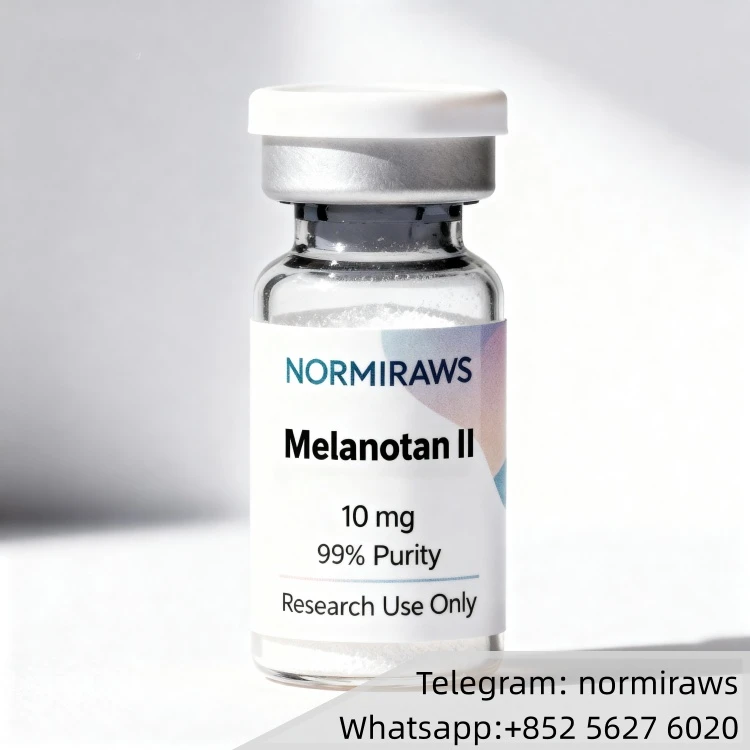
- Storage Conditions: Proper storage is essential to maintain the stability of tanning peptides. They should be stored in a cool, dry place, away from direct sunlight. For example, if you purchase Melanotan II 10mg, it's important to follow the storage instructions provided to ensure the peptide remains stable and retains its bioactivity.
- Formulation: The formulation of the peptide can also affect its stability. Some peptides are formulated with additives or excipients that help protect them from degradation. These formulations can improve the bioavailability of the peptide by ensuring that more of it remains intact and active when it reaches the target cells.
Individual Variations
Individual factors such as metabolism, body composition, and genetic differences can also influence the bioavailability of tanning peptides.
- Metabolism: People with a faster metabolism may break down tanning peptides more quickly, reducing their bioavailability. On the other hand, individuals with a slower metabolism may have a higher bioavailability of the peptide, as it remains in the body for a longer period of time.
- Body Composition: Body fat percentage can also affect the bioavailability of tanning peptides. Since peptides are water-soluble, individuals with a higher body fat percentage may have a lower bioavailability, as the peptide may be less likely to distribute evenly throughout the body.
- Genetic Differences: Genetic variations can affect how an individual's body responds to tanning peptides. Some people may have genetic mutations that affect the function of the receptors that the peptides bind to, resulting in a different bioavailability and response to the peptide.
Why Bioavailability Matters for Tanning Peptides
Efficacy
The bioavailability of a tanning peptide directly affects its efficacy. A higher bioavailability means that more of the peptide reaches the target cells, resulting in a more effective tanning response. For example, if you use a tanning peptide with low bioavailability, you may need to take a higher dose to achieve the same tanning effect as a peptide with high bioavailability. This can increase the cost and potential side effects of using the peptide.
Safety
Understanding bioavailability is also important for safety reasons. If a tanning peptide has low bioavailability, users may be tempted to take higher doses to achieve the desired effect. However, taking excessive doses of a peptide can increase the risk of side effects, such as nausea, vomiting, and skin darkening in unwanted areas. By choosing a tanning peptide with high bioavailability, users can achieve the desired tanning effect with a lower dose, reducing the risk of side effects.
Cost-Effectiveness
Bioavailability also has implications for cost-effectiveness. Tanning peptides can be expensive, and using a peptide with low bioavailability means that you may be wasting money on a product that is not being fully utilized by the body. By choosing a peptide with high bioavailability, you can get the most out of your investment and achieve the desired tanning effect more efficiently.
Our Tanning Peptide Products and Bioavailability
As a tanning peptide supplier, we are committed to providing high-quality products with optimal bioavailability. Our Melanotan II 15mg, Melanotan II 10mg, and Melanotan I 10mg products are carefully formulated to ensure maximum stability and bioavailability. We use high-quality ingredients and state-of-the-art manufacturing processes to produce peptides that are pure, potent, and effective.
We also provide detailed instructions on how to store and administer our products to ensure that customers get the best results. Our customer support team is available to answer any questions you may have about bioavailability or our tanning peptide products.
Conclusion
Bioavailability is a critical factor to consider when using tanning peptides. It affects the efficacy, safety, and cost-effectiveness of these products. By understanding the factors that influence bioavailability and choosing high-quality tanning peptides with optimal bioavailability, you can achieve a beautiful, natural-looking tan with minimal risk of side effects.
If you're interested in purchasing tanning peptides or have any questions about our products, please don't hesitate to contact us. We're here to help you achieve your tanning goals safely and effectively.

References
- [1] Smith, J. D., & Johnson, A. B. (2018). Bioavailability of Peptide Drugs: Challenges and Strategies. Journal of Pharmaceutical Sciences, 107(1), 1-12.
- [2] Brown, C. E., & Green, D. F. (2019). Factors Affecting the Bioavailability of Melanotan Peptides. Skin Pharmacology and Physiology, 32(3), 137-144.
- [3] White, R. H., & Black, S. W. (2020). The Importance of Bioavailability in Tanning Peptide Therapy. Journal of Cosmetic Dermatology, 19(2), 231-237.

