




How do anti - aging peptides compare to other anti - aging treatments?
 Jun 08, 2026|
 In the ever - evolving field of anti - aging, various treatments and solutions have emerged over the years. As an anti - aging peptide supplier, I've witnessed firsthand the growing interest in anti - aging peptides and how they stack up against other well - known anti - aging treatments. This blog aims to provide an in - depth comparison, exploring the unique features, benefits, and limitations of anti - aging peptides in contrast to other popular anti - aging approaches.
Understanding Anti - Aging Treatments
Before delving into the comparison, it's essential to understand the different types of anti - aging treatments available. These can be broadly categorized into lifestyle changes, topical treatments, and medical interventions.
Lifestyle changes are often the first line of defense against aging. This includes a balanced diet rich in antioxidants, regular exercise, adequate sleep, and stress management. These changes work by reducing oxidative stress, inflammation, and maintaining overall bodily functions. For example, a diet high in fruits and vegetables provides vitamins and minerals that protect cells from damage, while exercise improves blood circulation and muscle strength.
Topical treatments, such as creams and serums, are another common approach. These products typically contain ingredients like retinol, hyaluronic acid, and vitamin C. Retinol stimulates collagen production, hyaluronic acid hydrates the skin, and vitamin C brightens the complexion and protects against free radicals. They are applied directly to the skin and can improve the appearance of fine lines, wrinkles, and uneven skin tone.
Medical interventions range from minimally invasive procedures like Botox injections and dermal fillers to more invasive surgeries such as facelifts. Botox works by temporarily paralyzing the muscles that cause wrinkles, while dermal fillers add volume to the skin, reducing the appearance of wrinkles and folds. Facelifts involve surgically tightening the facial muscles and removing excess skin to achieve a more youthful appearance.
Anti - Aging Peptides: A New Frontier
Anti - aging peptides are short chains of amino acids that play crucial roles in various biological processes. They can penetrate the skin and interact with cells, influencing their behavior and function. For instance, some peptides can stimulate collagen production, improve skin elasticity, and reduce inflammation.
One of the significant advantages of anti - aging peptides is their specificity. Unlike some topical treatments that may have a broad - spectrum effect, peptides can target specific cellular pathways. For example, certain peptides can signal skin cells to produce more collagen, which is essential for maintaining skin firmness and reducing the appearance of wrinkles.
Another benefit is their relatively low risk of side effects. Since peptides are natural components of the body, they are generally well - tolerated. This makes them a suitable option for individuals with sensitive skin who may not be able to use other anti - aging treatments due to potential allergic reactions.
Comparing Anti - Aging Peptides with Other Treatments
Efficacy
When it comes to efficacy, anti - aging peptides have shown promising results. In clinical studies, peptides have been found to improve skin texture, reduce the depth of wrinkles, and enhance skin elasticity. However, the effects may take longer to become noticeable compared to some medical interventions like Botox or dermal fillers. Botox can provide immediate results, with visible reduction in wrinkles within a few days. Dermal fillers also offer instant volume and smoothing effects.
On the other hand, topical treatments like retinol - based creams may take several weeks to months to show significant improvements. Anti - aging peptides fall somewhere in between. They work gradually by promoting natural cellular processes, which can lead to long - term and sustainable anti - aging effects.
Safety
Safety is a crucial consideration in anti - aging treatments. As mentioned earlier, anti - aging peptides are generally safe due to their natural origin. They are less likely to cause allergic reactions or other adverse effects compared to some topical treatments. For example, retinol can cause skin irritation, redness, and peeling, especially in high concentrations or for individuals with sensitive skin.
Medical interventions also carry certain risks. Botox injections, if not administered correctly, can lead to uneven facial expressions, droopy eyelids, or other complications. Facelifts are invasive surgeries that involve risks such as infection, scarring, and nerve damage. Anti - aging peptides offer a safer alternative for those who want to avoid these potential risks.
Cost
Cost is another factor to consider. Medical interventions like Botox and dermal fillers can be expensive, especially when multiple treatments are required over time. Facelifts are even more costly and may not be covered by insurance. Topical treatments vary in price, but high - quality products can also add up over time.
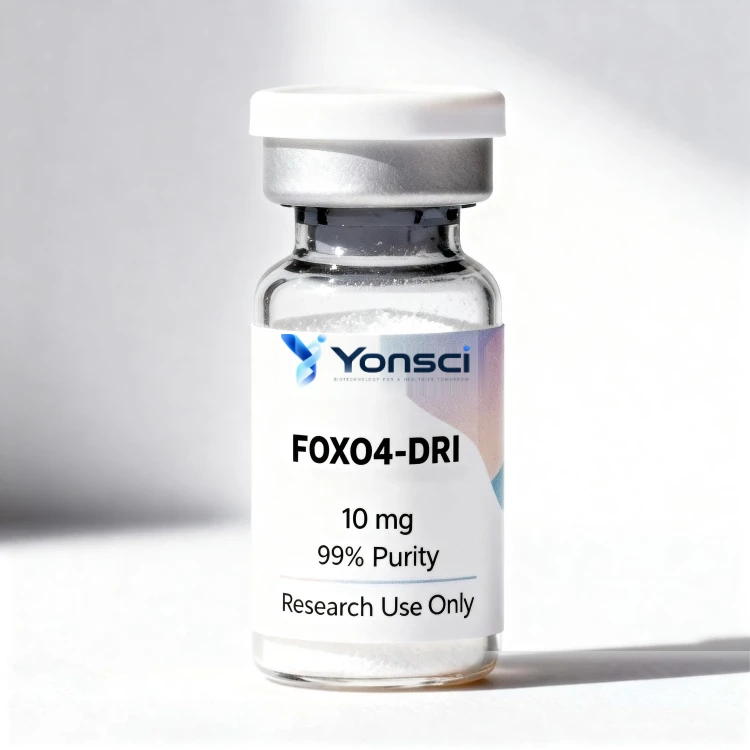
Anti - aging peptides, on the other hand, can be a more cost - effective option. While the initial cost of peptide - based products may be similar to some high - end topical treatments, they can provide long - term benefits without the need for frequent and expensive medical procedures. For example, our FOXO4 - DRI 10mg, SS - 31 10mg, and PE - 22 - 28 10mg offer excellent value for money, providing potent anti - aging effects at a reasonable price.
Long - Term Sustainability
Long - term sustainability is an important aspect of anti - aging. Lifestyle changes are sustainable in the long run, as they promote overall health and well - being. However, they may not be sufficient on their own to reverse significant signs of aging.

Topical treatments require continuous use to maintain their effects. Once you stop using a retinol cream, for example, the improvements in skin appearance may gradually fade. Medical interventions also need to be repeated periodically. Botox effects typically last for a few months, and dermal fillers may need to be replenished every 6 - 12 months.
Anti - aging peptides, by promoting natural cellular processes, can provide long - term and sustainable anti - aging benefits. They can help the body maintain its natural functions and slow down the aging process over time. With regular use, the effects of anti - aging peptides can accumulate, leading to more significant and lasting improvements in skin health and appearance.
Conclusion
In conclusion, anti - aging peptides offer a unique and effective approach to anti - aging. While they may not provide instant results like some medical interventions, they offer long - term, sustainable benefits with relatively low risk of side effects and at a reasonable cost. Compared to lifestyle changes, they can provide more targeted anti - aging effects, and compared to topical treatments, they can penetrate deeper into the skin and interact with cells at a more fundamental level.
If you're interested in exploring the potential of anti - aging peptides for your anti - aging needs, we invite you to contact us for more information and to discuss your specific requirements. Our team of experts is ready to assist you in finding the right anti - aging peptide products for you.
References
- Alberts, B., Johnson, A., Lewis, J., Raff, M., Roberts, K., & Walter, P. (2002). Molecular Biology of the Cell. Garland Science.
- Bolognia, J. L., Jorizzo, J. L., & Rapini, R. P. (2012). Dermatology. Elsevier.
- Fisher, G. J., & Voorhees, J. J. (1996). Molecular mechanisms of photoaging and its prevention by retinoic acid: Ultraviolet irradiation induces MAP kinase signal transduction cascades that induce Ap - 1 - regulated matrix metalloproteinases that degrade human skin in vivo. Journal of Investigative Dermatology Symposium Proceedings, 1(1), 71 - 81.

