




How do anti - inflammatory peptides compare to steroidal anti - inflammatory agents?
 Dec 01, 2025|
 In the realm of anti - inflammatory treatments, two prominent players have emerged: anti - inflammatory peptides and steroidal anti - inflammatory agents. As a supplier of anti - inflammatory peptides, I have witnessed firsthand the growing interest in these natural alternatives to traditional steroidal drugs. In this blog, we will delve into a comprehensive comparison between anti - inflammatory peptides and steroidal anti - inflammatory agents, exploring their mechanisms, benefits, drawbacks, and potential applications.
Mechanisms of Action
Steroidal Anti - Inflammatory Agents
Steroidal anti - inflammatory agents, such as corticosteroids, work by binding to glucocorticoid receptors in cells. Once bound, they regulate gene expression, leading to the suppression of pro - inflammatory cytokines, chemokines, and adhesion molecules. This results in a broad - spectrum anti - inflammatory effect, reducing swelling, redness, and pain associated with inflammation. For example, prednisone, a commonly prescribed corticosteroid, can quickly alleviate symptoms in conditions like asthma, rheumatoid arthritis, and allergic reactions.

Anti - Inflammatory Peptides
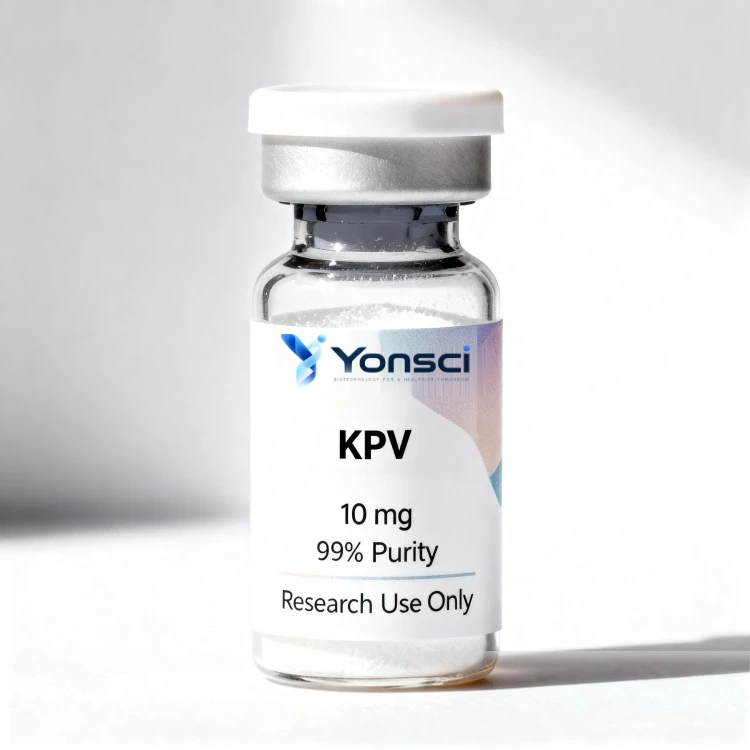
Anti - inflammatory peptides, on the other hand, have a more diverse range of mechanisms. Some peptides, like KPV 10 Mg, act by modulating the immune response at the cellular level. KPV is a tripeptide derived from the melanocyte - stimulating hormone (MSH). It binds to specific receptors on immune cells, such as macrophages and lymphocytes, and inhibits the production of pro - inflammatory cytokines while promoting the release of anti - inflammatory cytokines.
Another example is LL - 37 10mg, a human cathelicidin peptide. LL - 37 has multiple functions, including antibacterial, antiviral, and anti - inflammatory activities. It can neutralize lipopolysaccharides (LPS), a major component of the outer membrane of Gram - negative bacteria, which are potent inducers of inflammation. By binding to LPS, LL - 37 prevents the activation of Toll - like receptor 4 (TLR4) signaling pathways, thereby reducing the production of pro - inflammatory mediators.
Ara - 290 5mg is a synthetic peptide that mimics the action of the erythropoietin (EPO) receptor. It activates the innate repair receptor (IRR), which is involved in tissue protection and repair. Activation of the IRR by Ara - 290 leads to the suppression of inflammation and the promotion of tissue regeneration.
Benefits
Steroidal Anti - Inflammatory Agents
One of the main advantages of steroidal anti - inflammatory agents is their rapid and potent anti - inflammatory effect. They can provide quick relief from severe inflammation, making them indispensable in acute situations. For instance, in cases of anaphylaxis or severe asthma attacks, corticosteroids can save lives by reducing airway inflammation and preventing respiratory failure.
Steroids also have a well - established track record in the treatment of various autoimmune diseases. They can effectively suppress the overactive immune system, reducing symptoms such as joint pain, swelling, and fatigue in conditions like lupus and multiple sclerosis.
Anti - Inflammatory Peptides
Anti - inflammatory peptides offer several unique benefits. Firstly, they are generally more specific in their action compared to steroidal agents. This means that they can target specific inflammatory pathways without affecting other physiological processes as extensively. As a result, they may have fewer side effects.
Peptides are also more biocompatible. Since they are composed of amino acids, which are the building blocks of proteins in our bodies, they are less likely to trigger an immune response against themselves. This makes them suitable for long - term use in chronic inflammatory conditions.
In addition, anti - inflammatory peptides often have additional functions beyond anti - inflammation. For example, some peptides can promote wound healing, enhance tissue repair, and even have antibacterial properties. This multi - functionality makes them attractive candidates for treating complex diseases where inflammation is accompanied by other complications.
Drawbacks
Steroidal Anti - Inflammatory Agents
Despite their effectiveness, steroidal anti - inflammatory agents are associated with a wide range of side effects. Long - term use of corticosteroids can lead to adrenal suppression, which means that the body's natural production of cortisol is reduced. This can result in a variety of problems, including fatigue, weight gain, high blood pressure, and increased susceptibility to infections.
Other common side effects of steroids include osteoporosis, muscle weakness, cataracts, and mood changes. These side effects can significantly impact the quality of life of patients, especially those who require long - term treatment.
Anti - Inflammatory Peptides
One of the main challenges with anti - inflammatory peptides is their relatively short half - life in the body. Peptides are easily degraded by enzymes in the bloodstream and tissues, which means that they may need to be administered more frequently to maintain their therapeutic effect.
Another drawback is the limited availability of large - scale production methods for some peptides. This can lead to higher costs, making them less accessible to some patients. Additionally, since the research on anti - inflammatory peptides is still in its early stages, there is a lack of long - term safety data for some of these compounds.
Potential Applications
Steroidal Anti - Inflammatory Agents
Steroidal anti - inflammatory agents are widely used in the treatment of acute and chronic inflammatory conditions. In addition to the autoimmune diseases mentioned earlier, they are also commonly used in dermatology to treat skin conditions such as eczema and psoriasis. In ophthalmology, corticosteroids are used to reduce inflammation in the eye following surgery or injury.
Anti - Inflammatory Peptides
Anti - inflammatory peptides have a broad range of potential applications. In the field of wound healing, peptides like LL - 37 can be used to prevent infection and promote tissue repair. They can be incorporated into wound dressings or topical creams to enhance the healing process.
In neurodegenerative diseases, where inflammation plays a crucial role, anti - inflammatory peptides may offer a new therapeutic approach. For example, some peptides have been shown to reduce neuroinflammation and protect neurons from damage in animal models of Alzheimer's and Parkinson's diseases.
In sports medicine, anti - inflammatory peptides can be used to treat sports - related injuries, such as muscle strains and ligament sprains. Their ability to reduce inflammation and promote tissue repair can help athletes recover more quickly.
Conclusion
In conclusion, both anti - inflammatory peptides and steroidal anti - inflammatory agents have their own strengths and weaknesses. Steroidal agents are powerful and well - established in the treatment of inflammation, but they come with significant side effects. Anti - inflammatory peptides, on the other hand, offer a more targeted and biocompatible approach, with the potential for fewer side effects and additional therapeutic benefits.
As a supplier of anti - inflammatory peptides, I believe that these compounds have a bright future in the field of anti - inflammatory therapy. With ongoing research and technological advancements, we are likely to see more effective and affordable peptide - based treatments in the coming years.
If you are interested in exploring the potential of anti - inflammatory peptides for your research or therapeutic needs, I invite you to contact us for more information and to discuss procurement options. We are committed to providing high - quality anti - inflammatory peptides to meet your specific requirements.
References
- Anstead, G. M., & Crabb, D. W. (2018). Glucocorticoid pharmacology and therapeutic use. In UpToDate.
- Zaiou, M., & Gallo, R. L. (2002). Antimicrobial and more: the role of cathelicidins in host defense. Current Opinion in Immunology, 14(1), 91 - 97.
- Brines, M. L., & Cerami, A. (2008). Erythropoietin: a pleiotropic cytokine with tissue - protective properties. Expert Opinion on Investigational Drugs, 17(10), 1529 - 1540.

